Kutuhala Studio Adaptive Interfaces for Human Flourishing

Building futures
worth belonging to.

Kutuhala Studio is a research and design practice studying how humans move between states — and how support might be embedded into the environments, objects, and response systems around them.

Through observation, ethnography, photography, systems mapping, foresight, and prototyping, the studio makes overlooked patterns visible — and translates them into strategies, concepts, and environments of support.

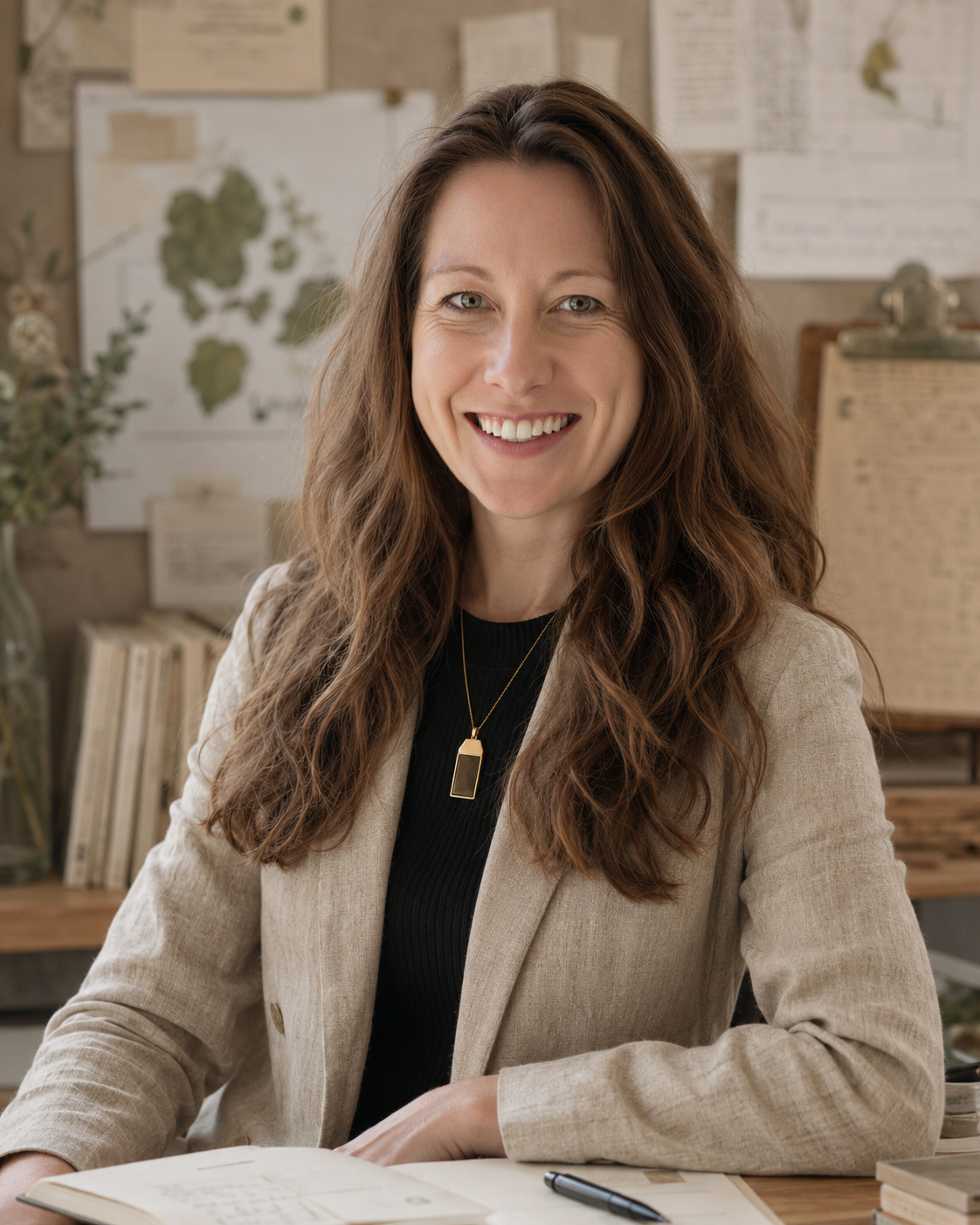
A researcher at her field desk, notebook open, surrounded by plants and instruments
Field study — the studio at work
A research & design studio Observation · Ethnography · Systems mapping · Foresight · Prototyping
Opening thesis

Human capacity changes. Most systems assume it doesn’t.

Attention fluctuates.
Stress accumulates.
Transitions create friction.
Recovery takes time.
Caregiving changes the body.
Decision-making bandwidth narrows.

Yet most products, rooms, workflows, and care systems are designed as though people remain stable.

Capacity over time
Assumed capacity
Actual capacity Friction lives in the gap
The environment is never neutral

What if the world around us could adapt to human capacity — instead of demanding constant adaptation from humans?

Where support can live

Where support can live.

Kutuhala organizes its investigations around three layers of adaptive support: the environments people move through, the objects they carry or return to, and the interventions that meet them at the right moment.

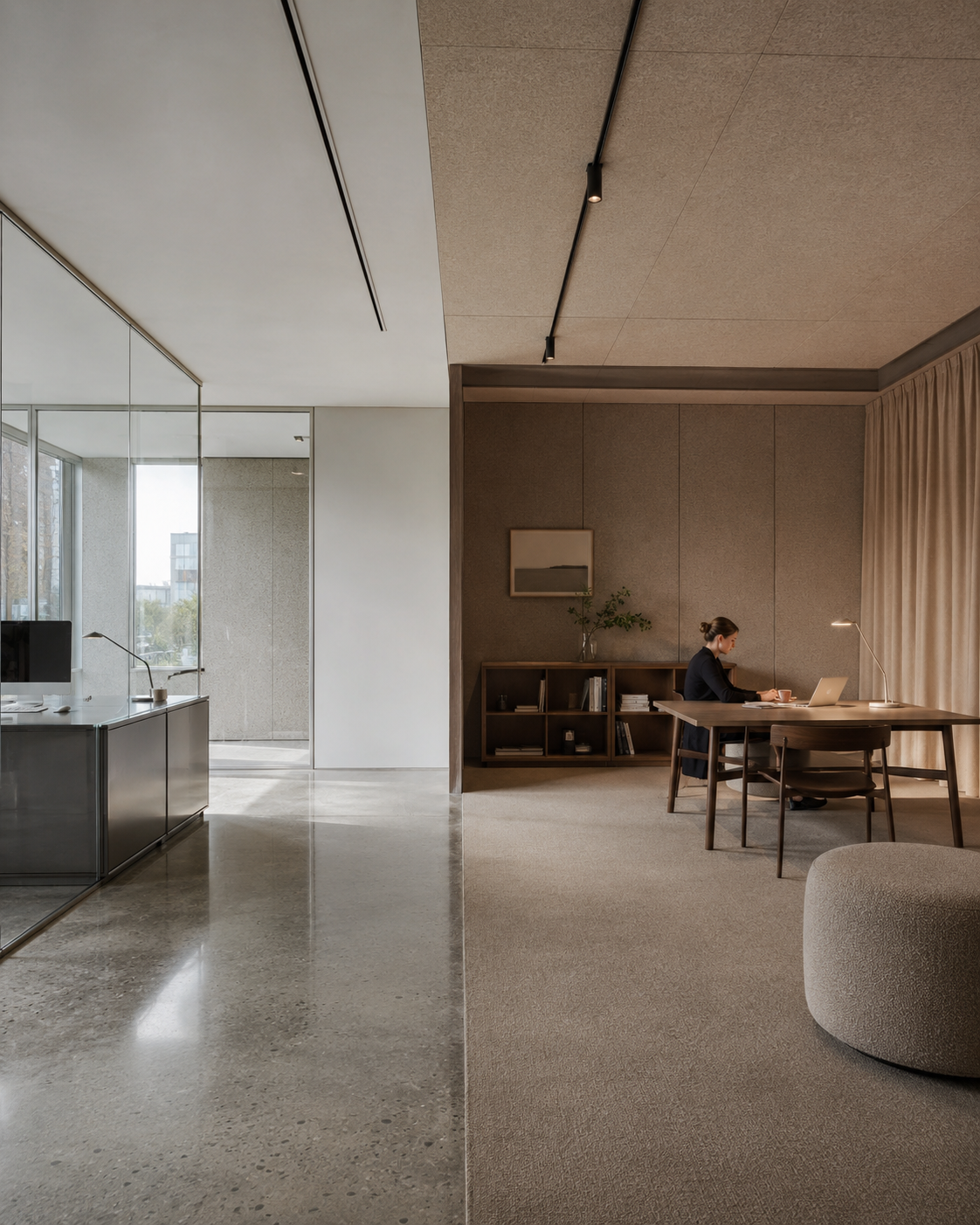
A calm room with soft light, a place that can respond to a person
Environments

Adaptive Systems

Support embedded in environments.

What if homes, rooms, workflows, and care environments could respond to changing human capacity?

Adaptive Systems explores how environments might reduce friction, support transitions, and help people recover capacity before overload accumulates.

Includes
Focus Habitat Wild Window Laundry Loop AttuneCare Room
Explore Adaptive Systems
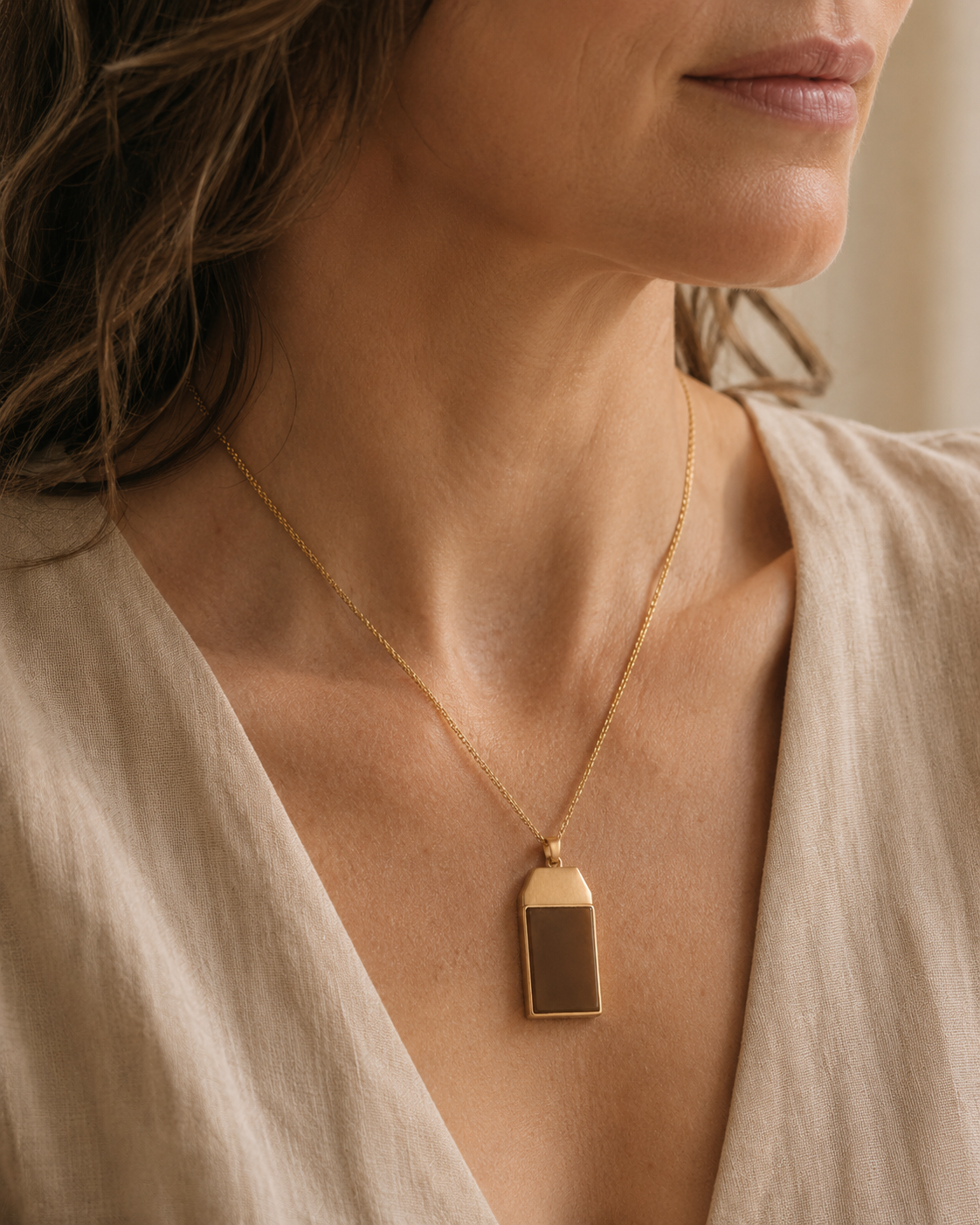
A small carried object, the gold pendant resting on linen
Objects

Transition Objects

Support carried through objects and rituals.

What if the objects around us helped us move between states?

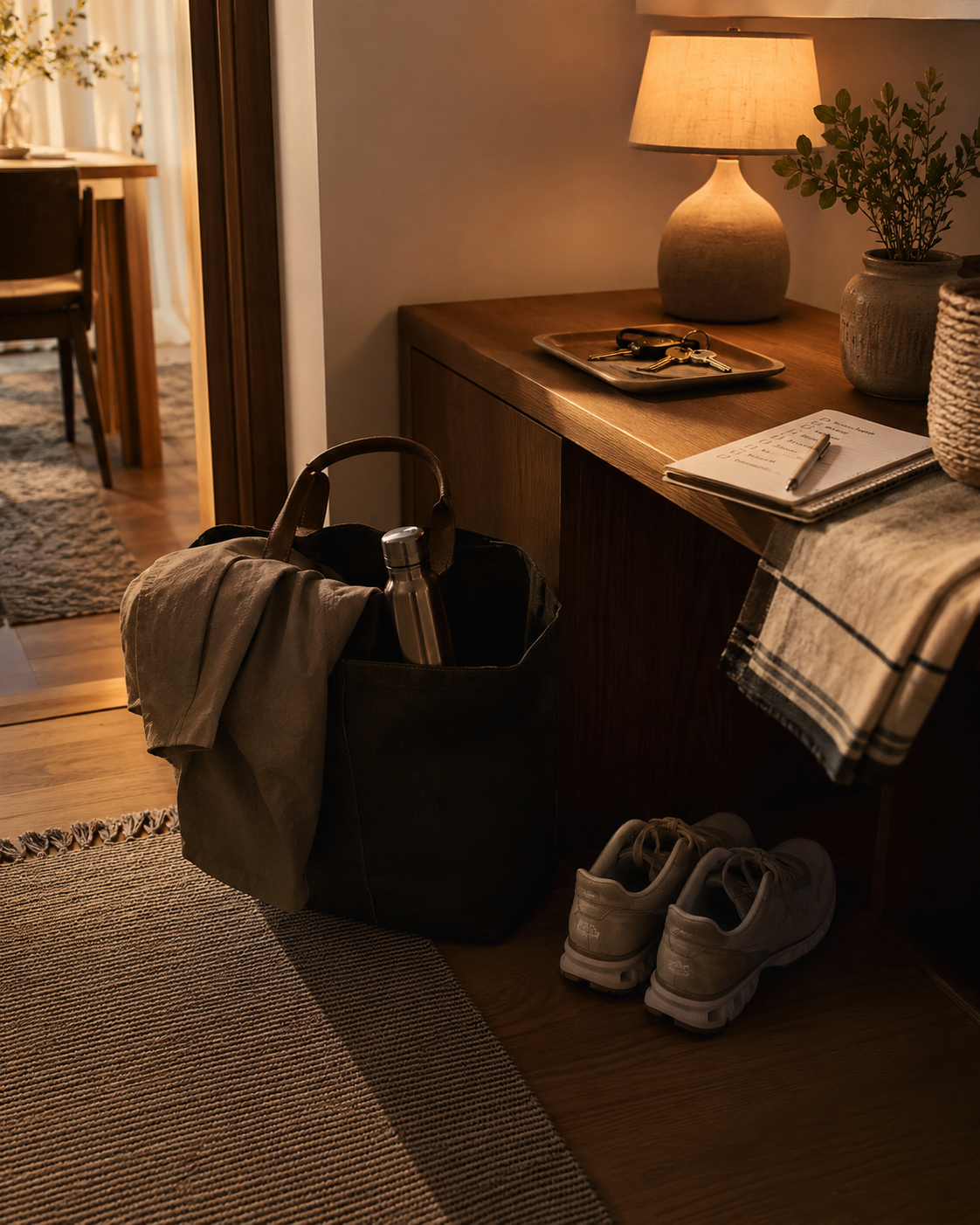
Transition Objects studies the objects, anchors, surfaces, and rituals people rely on to begin, switch, recover, prepare, and return.

Includes
Sensory anchors Care objects Trays Threshold objects Wearable form studies Rituals of readiness
Explore Transition Objects
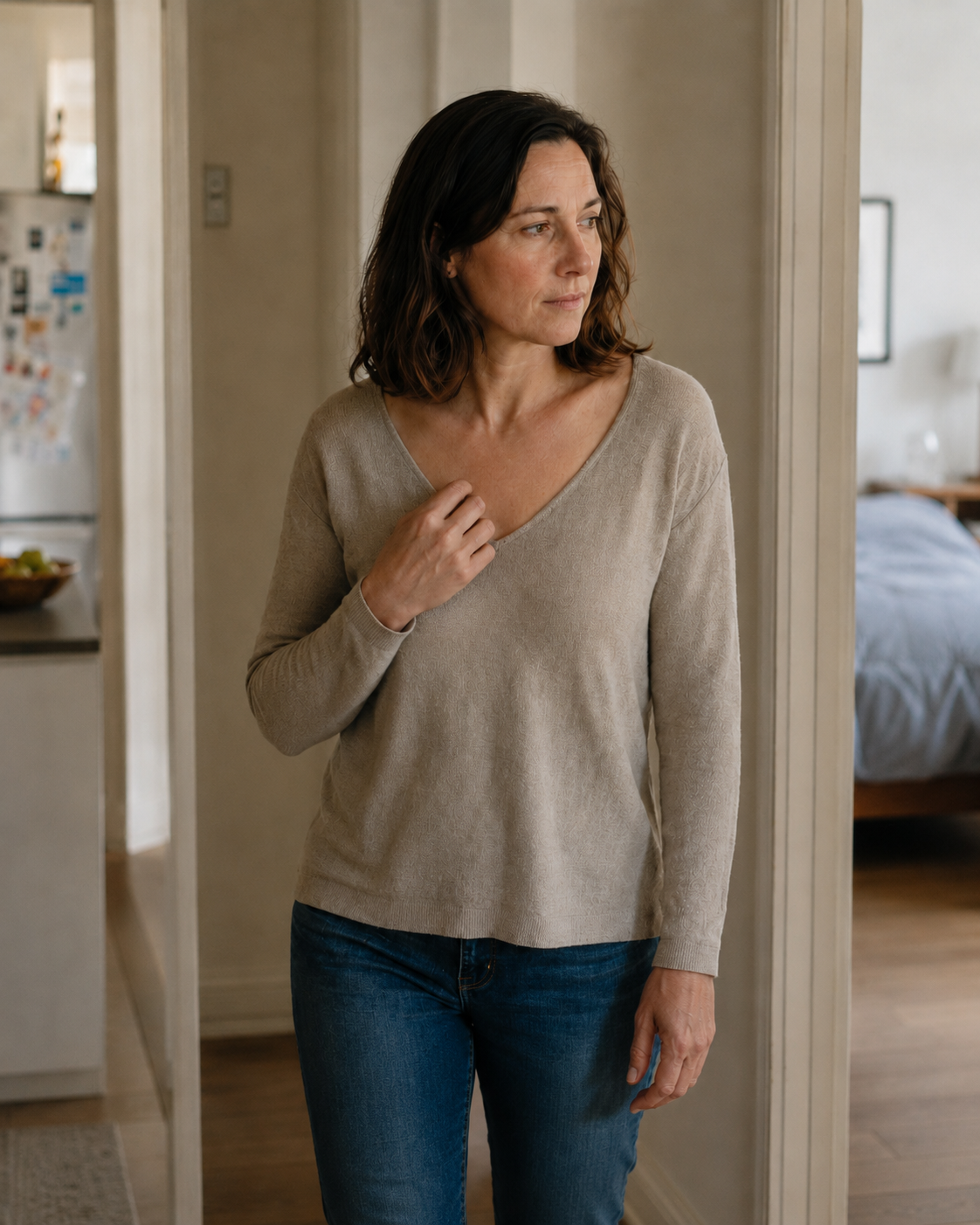
A person in a doorway between rooms, a hand at the collarbone
The moment

Intervention Layer

Support delivered at the right moment.

What if support could arrive before a person had to ask for it?

Intervention Layer explores how signals, context, and design cues might translate into timely, low-burden responses — haptic, sensory, spatial, ambient, or human.

Includes
Somatag Haptic cues Adaptive lighting Breath prompts Caregiver capacity logic Environmental response
Explore Intervention Layer
Close-up of a pendant resting on cloth — an object that carries both safety and stigma
Object study — the medical alert pendant
An observation from the field

Technically, it solved a problem. Emotionally, it created one.

The medical alert pendant offered safety. But it also carried stigma, visibility, dependence, and a change in identity.

The pattern

Support can reduce risk while increasing emotional burden.

What if — supportive objects preserved dignity, identity, and agency while still enabling care?

Research atlas

Designing for the moments between states.

The studio organizes its work around moments where human capacity becomes constrained — not around conventional product categories.

Explore the Research Atlas
Transition prompts — the felt thresholds
I cannot begin.
I cannot switch.
I cannot estimate.
I cannot prioritize.
I cannot sustain.
I cannot engage.
I cannot close the loop.
Research territories — where we look
State TransitionsThreshold
Executive FunctionCapacity
Physiological LoadSignal
RegulationBaseline
RecoveryReturn
Caregiver CapacityLoad
RestorationRest
From object to infrastructure

From object to infrastructure.

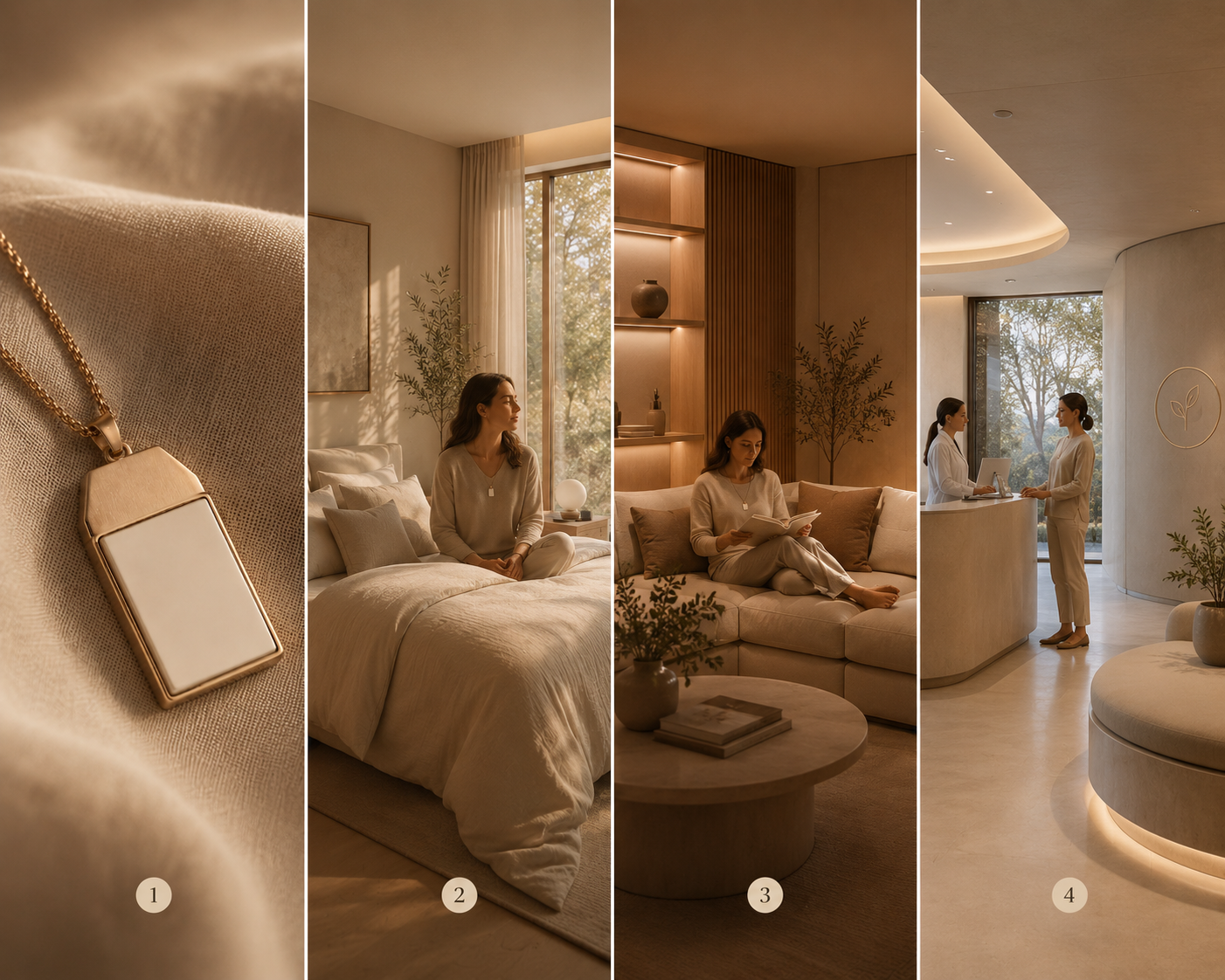
The work did not begin with a platform. It began with questions about objects, transitions, sensory experience, and what people reach for when moving between states.

Over time, those questions expanded into three layers of adaptive support — Adaptive Systems, Transition Objects, and the Intervention Layer.

The evolution of the work
Began as

Object

A thing held in the hand — a pendant, an anchor.

Grew into

Environment

The room and routine that hold the person.

Then

Intervention Layer

Support that meets the moment of need.

Toward

Adaptive System

An infrastructure of support that responds.

Methods

Attention is the first research tool.

Observe Interpret Design Prototype Test

Observe

Photography, ethnography, interviews, environmental documentation, behavioral observation.

Interpret

Pattern recognition, systems mapping, research synthesis, foresight, future-facing questions.

Design

Concept development, service design, object studies, environmental and narrative strategy, adaptive-interface exploration.

Prototype

Visual studies, experience scenarios, field prototypes, material experiments, speculative systems.

Test

Feedback, iteration, evidence review, field learning, future hypotheses.

Work with me

Work with me.

Organizations invite Kutuhala in when they are facing ambiguous human problems that traditional research, dashboards, or strategy decks are not explaining.

Research & Sensemaking

Observation, ethnography, and synthesis that make the overlooked pattern visible.

Concept & Experience Development

Objects, services, and environments prototyped as concepts of support.

Strategic Narrative & Alignment

A shared story and direction that holds a team to its human intent.

Start a Conversation
Field notes

Field Notes

Observations, images, research fragments, and emerging design questions from the studio.

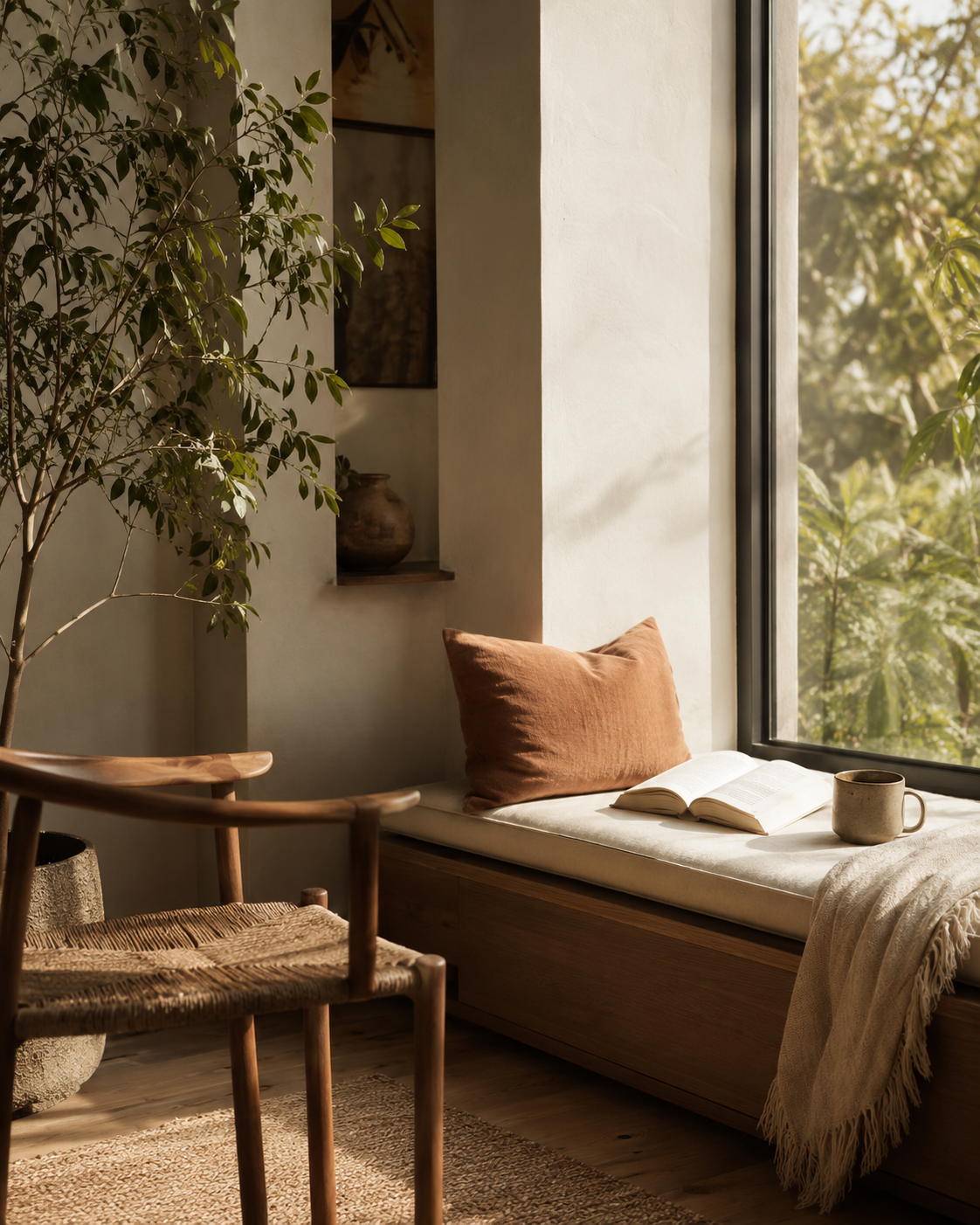
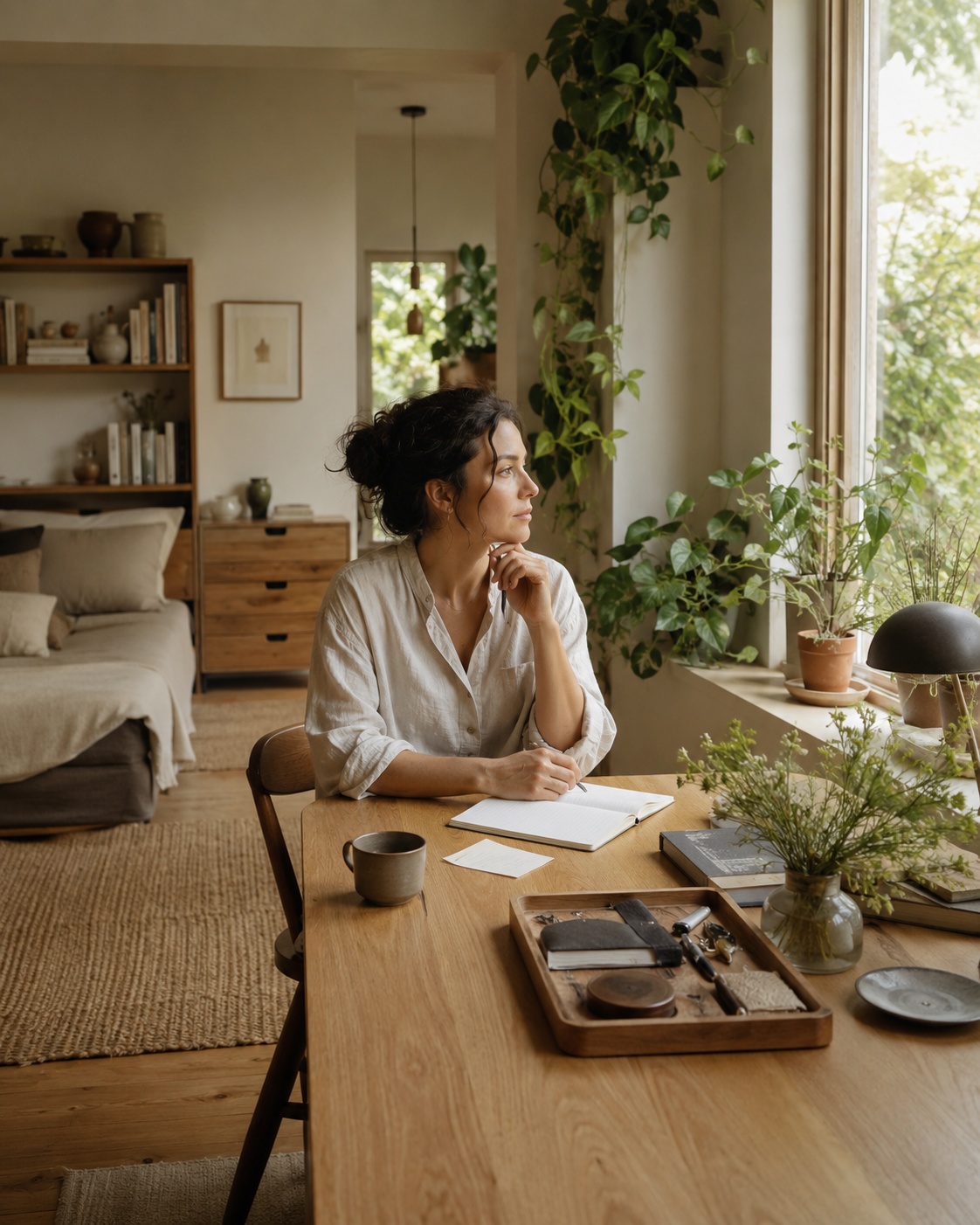
A quiet reading nook by a window
Field note — Environments

The Environment Is Never Neutral

Read note
A strip showing the evolution of an object into an environment
Field note — Objects

From Object to Infrastructure

Read note
A person pausing in a doorway between two rooms
Field note — Thresholds

Designing for the Moments Between States

Read note
Read All Field Notes
About

Curiosity is a research method.

Kutuhala is a Sanskrit word associated with curiosity, wonder, and the desire to understand.

The studio remains curious long enough for hidden patterns to become visible — and then explores how those patterns might become objects, environments, services, strategies, or intelligent systems.

Kutuhala Studio is the independent research and design practice of Christine Galligan.

Christine Galligan at her botanical-archive desk
Christine Galligan — founder