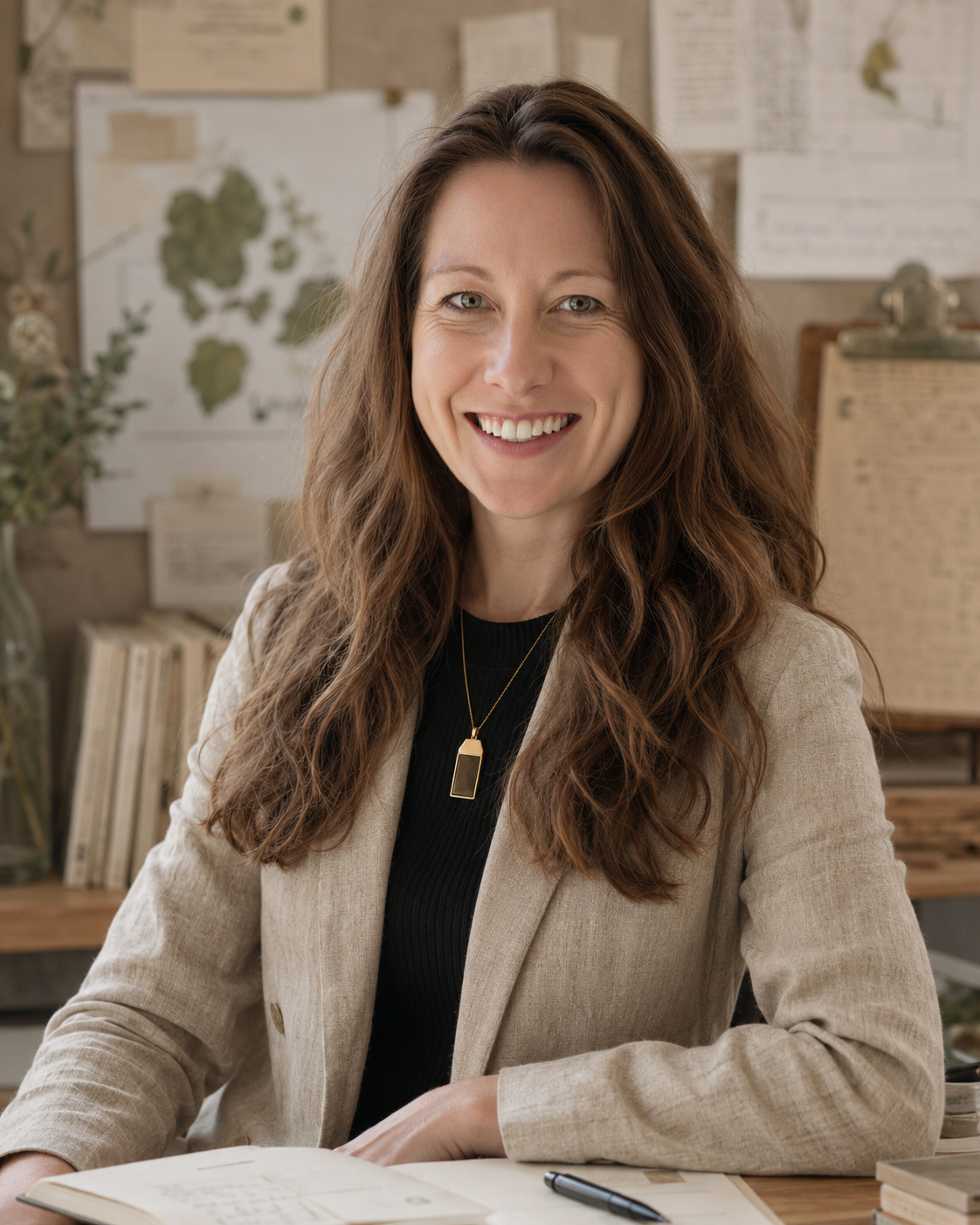
Observe
Photography, ethnography, interviews, environmental documentation, and behavioral observation.
Kutuhala is a Sanskrit word associated with curiosity, wonder, and the desire to understand.
Kutuhala Studio was created to study the subtle moments when human capacity changes — the moments before overwhelm, before disengagement, before recovery, before asking for help.
The studio remains curious long enough for hidden patterns to become visible.
Through observation, ethnography, photography, systems mapping, foresight, and prototyping, Kutuhala explores how objects, environments, services, and intelligent systems might respond to human capacity with more care.
Most products and environments are designed around an assumption of stable human capacity.
Kutuhala begins from a different premise.
The studio investigates how support might move out of the individual and into the surrounding system — into the environments people move through, the objects they carry or return to, and the interventions that meet them at the right moment.
Photography, ethnography, interviews, environmental documentation, and behavioral observation.
Pattern recognition, synthesis, systems mapping, research framing, foresight, and future-facing questions.
Concept development, service design, environmental strategy, object studies, narrative strategy, and adaptive-interface exploration.
Visual studies, experience scenarios, field prototypes, material experiments, and speculative systems.
Feedback, iteration, evidence review, field learning, and future hypotheses.
Kutuhala Studio is the independent research and design practice of Christine Galligan — a healthcare innovation strategist, researcher, and designer working across human-centered research, product strategy, adaptive systems, evidence generation, and health technology.
Christine’s work has spanned health systems, digital health, AI strategy, caregiver research, service design, venture exploration, sensory regulation, and adaptive environments.
What is happening in human experience that has not yet become visible to the system?
Kutuhala is where that question is studied — through observation, design, and future-facing research.
Kutuhala Studio is Christine Galligan’s active field lab and consulting practice. Selected investigations may inform broader work across nonprofit evidence generation and commercial adaptive systems.
Kutuhala studies how support becomes visible, tangible, meaningful, and usable.
Adaptive interfaces for human flourishing.
Explore the research program, or start a conversation about an ambiguous human problem that isn’t yet visible to the system.